
Fascinating natural mineral formations
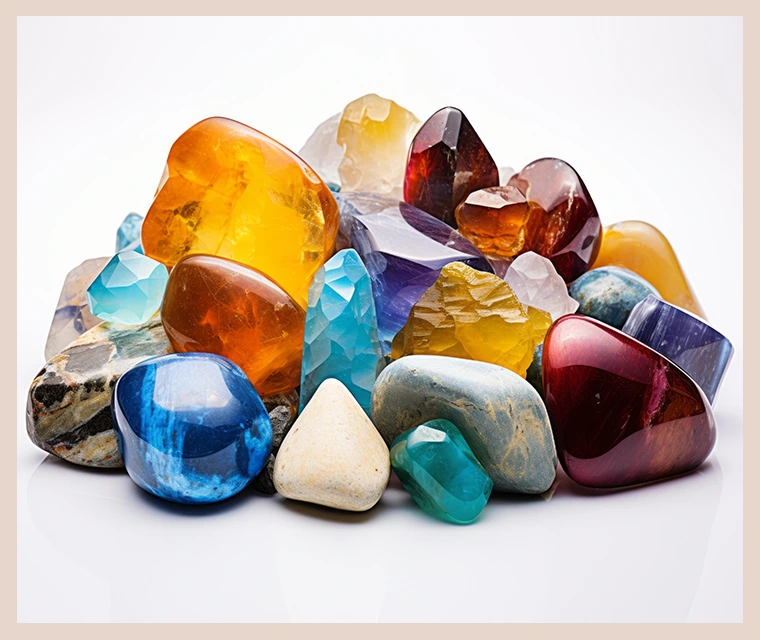
Categorization of fine gems
Classifying precious stone varieties
Traditional gem classifications separate precious and semi-precious stones based on rarity, durability, and historical significance. The renowned cardinal gems command attention for their exceptional hardness, optical brilliance, and vibrant coloration. Meanwhile, diverse silicate mineral groups offer an incredible spectrum of hues, providing endless possibilities for faceting, carving, and intricate lapidary work.
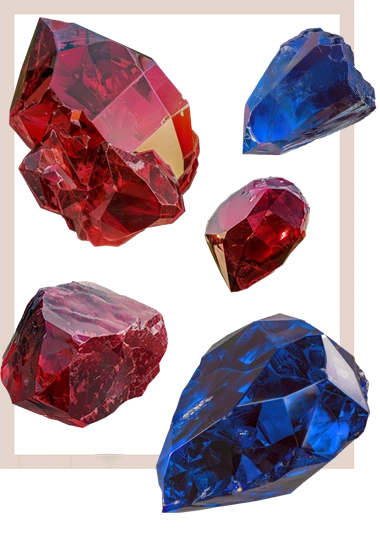
The corundum family colors
Trace elements such as chromium create intense red rubies, while titanium contributes to deep sapphires within the corundum mineral family.
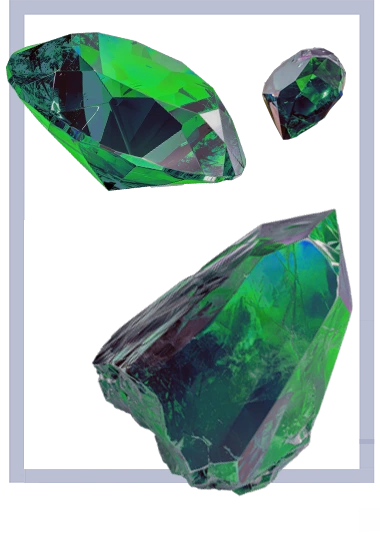
Beryl and striking greens
Vanadium within beryl crystalline matrices contributes to the highly sought-after vivid green tones associated with emeralds.
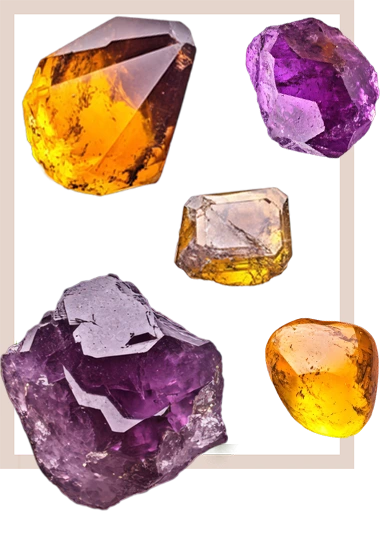
Quartz group structural diversity
Amethyst and citrine represent prominent macrocrystalline quartz varieties renowned for their clarity, color diversity, and natural abundance.
Tracing geographical gem origins
Identifying primary mining locations
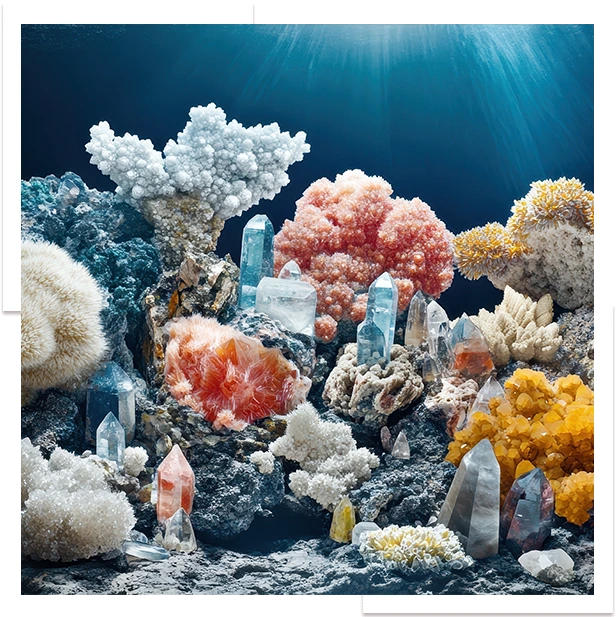
Specific geological environments dictate the formation of distinct gemstone deposits across continents. Volcanic pipes bring diamonds to the surface, while hydrothermal veins in mountainous regions can host tourmaline and vivid aquamarine crystals.
Careful gemstone extraction requires precise excavation techniques to preserve the integrity of rough material before cutting or polishing. Alluvial deposits often contain naturally tumbled stones carried by river currents, presenting miners with rounded pebbles that can conceal exceptional brilliance beneath opaque exteriors.
Analytical approach to authenticity
Scientific analysis and identification

Advanced optical testing methods
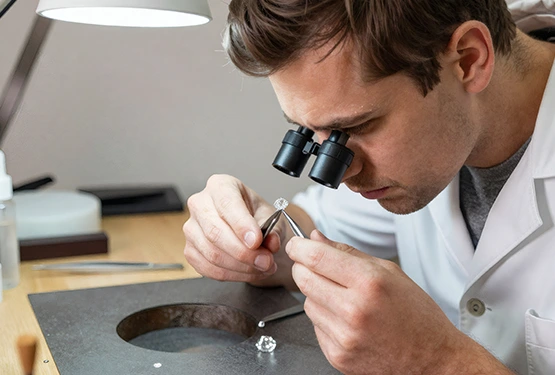
Professional gemological laboratories use specialized equipment to determine the optical properties of submitted gemstone specimens. Refractometers measure how light bends as it enters a crystal, establishing a characteristic refractive index. Spectroscopes analyze absorption patterns, helping reveal aspects of chemical composition linked to specific colors. These non-destructive gemological tests provide fundamental identification data used to classify unknown stones accurately without altering their delicate structure.
Internal inclusion microscopic analysis
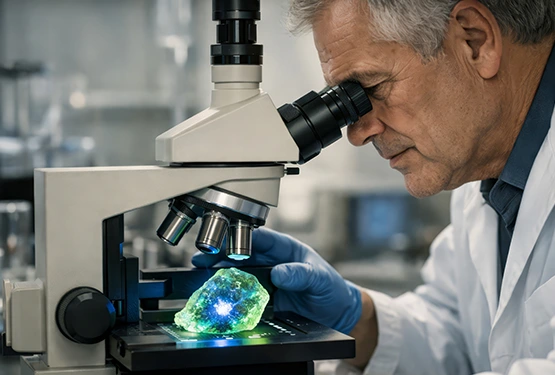
High-powered magnification reveals internal gemstone features that are crucial for authentication. Solid mineral inclusions, trapped gas bubbles, and distinctive growth lines can act as geological fingerprints. Examining these microscopic inclusions helps distinguish natural gemstones from synthetic alternatives grown in controlled laboratory environments. Documenting internal characteristics supports origin assessment and helps identify evidence of thermal treatments without damaging the specimen.
Practices surrounding mineral resonance
Certain traditions attribute subtle vibratory frequencies to specific minerals and use polished stones in holistic practices intended to support a general sense of well-being.